logo

Search form

  • English
  • Français
  • Home
  • Group Giving
  • Site Map

donate now

  • About Us
    • Who We Are
      • Member Agencies
      • Partners
      • Board of Directors
      • Membership Criteria
      • History
      • Our Staff
    • Mission
    • How We Work
      • Launching an Appeal
      • Organisational Structure
      • How Money is Allocated
      • Codes and Standards
      • Where We Work
    • Reports
      • Annual Report 2011
      • Evaluation Reports
      • Financial Statements
      • Progress Reports
    • FAQs
    • Job Opportunities
  • Our Appeals
    • Syrian Refugee Crisis 2013
    • Sahel Crisis 2012
    • East Africa Drought 2011
    • Japan Earthquake 2011
    • Pakistan Floods 2010
    • Haiti Earthquake 2010
    • Archives
  • How to Help
    • Donate Now
    • Become a Monthly Donor
    • Corporate Giving
      • Corporate Giving FAQ
    • Group and Event Fundraising
      • Fundraising Kit
      • Group and Event FAQ
    • Emergency Response Fund
  • Info Portal
    • Factsheets
      • World Humanitarian Day
      • Building Resilience from Humanitarian to Development Aid
      • Cash Transfer Programming
      • Children and Disaster Relief
      • Education and Emergencies
      • Humanitarian Needs
      • Humanitarian and Development Aid
      • Joint Appeal
      • The Humanitarian System
      • What is a humanitarian crisis?
      • Women and Disaster Relief
  • News Room
    • News Releases
      • Humanitarian Needs in Syria and Mali
      • Launching Our Appeal for Syrian Refugees
      • Two Years of Conflict in Syria
    • Events
      • Canadian Humanitarian Conference
    • Useful Links
    • Media Contacts
  • Contact Us

Together saving more lives

Logo for Oxfam Canada Logo for Oxfam-Québec

Sahel Crisis 2012

Map of the Sahel region of West Africa: Humanitarian Coalition projects took place in Mauritania, Mali, Niger, Burkina Faso and Chad

Population affected:

18 million

Funds raised:

$3 million

Beginning of the appeal

June 14, 2012
Tweet

(Please note that we are no longer accepting donations for this appeal. For more information on donating to the Humanitarian Coalition, please visit our Emergency Response Fund page.) 

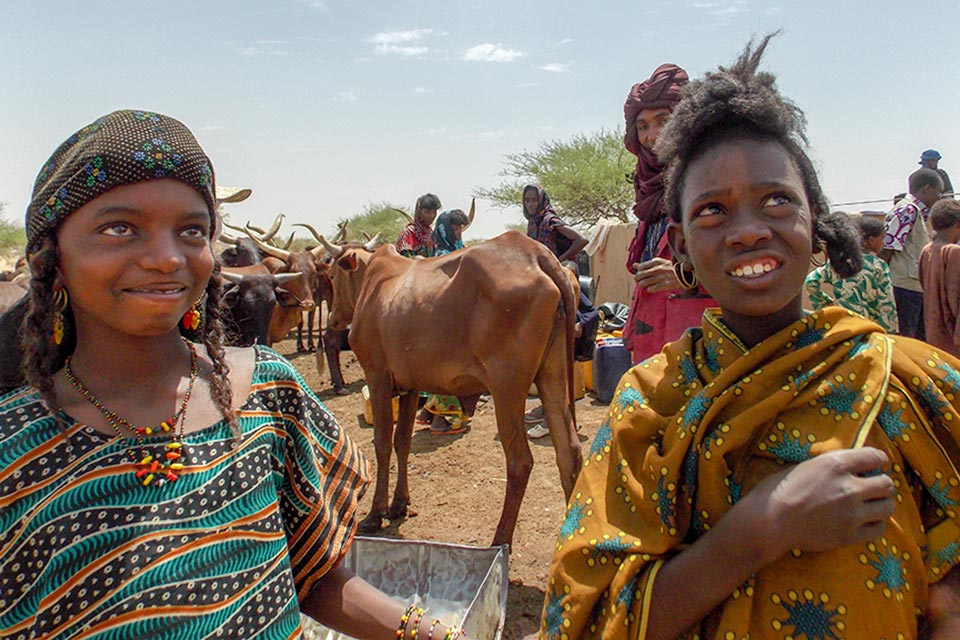
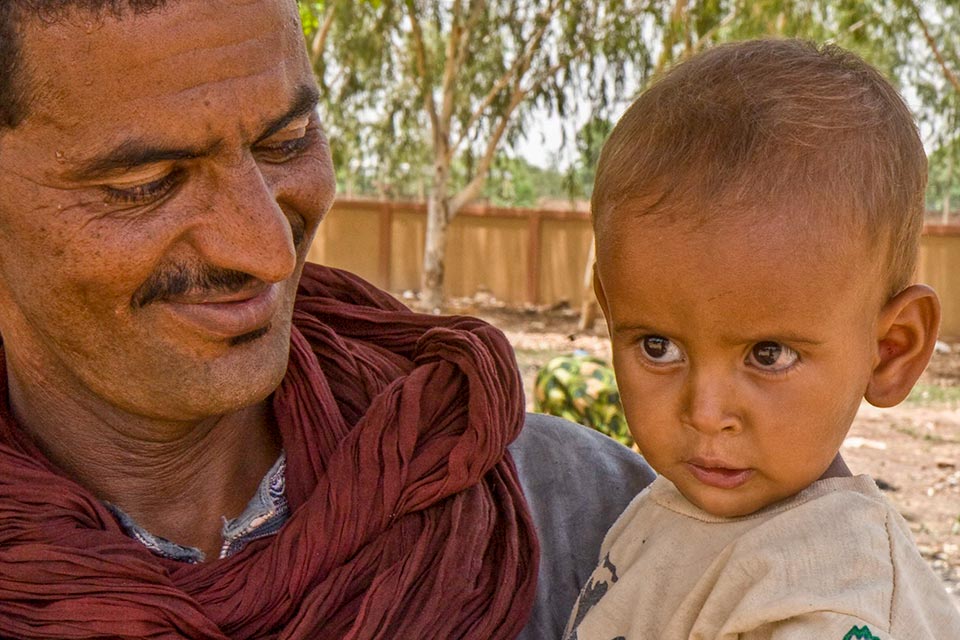
The Sahel region of West Africa was in the grips of a drought, food and refugee crisis caused by a combination of erratic rainfall, failed harvests, soaring market prices and insecurity. Vulnerable people in Niger, Burkina Faso, Mali, Chad, Mauritania, Senegal, and The Gambia were at risk of severe hunger.

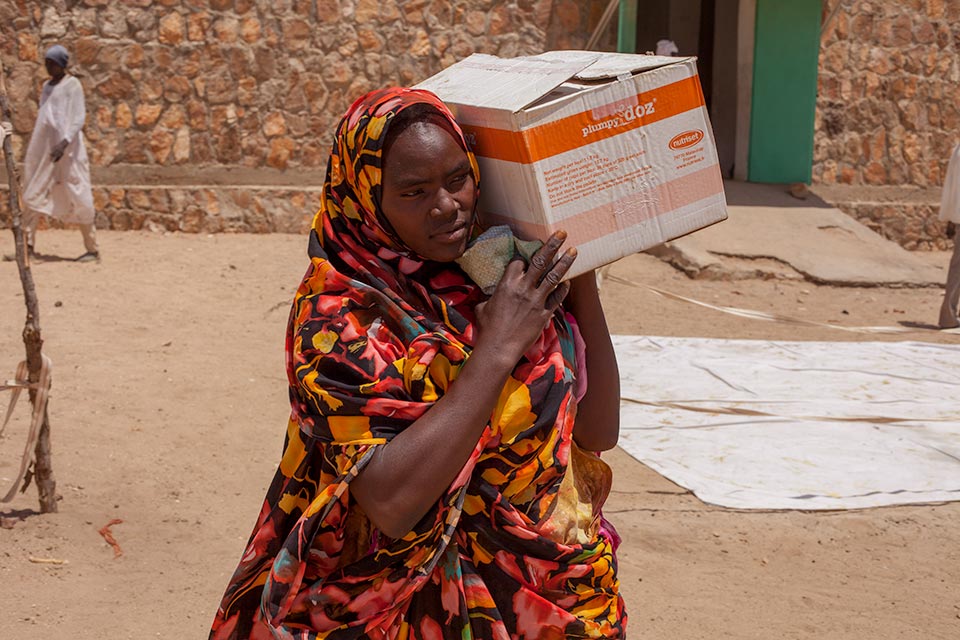
For decades, international aid agencies and our member agencies have been on the ground across the Sahel region with vital programs to support communities with water, sanitation, food distribution, nutrition support, agriculture, animal health and livelihoods.

In response to the food crisis, work on nutrition centres, child education programs, resilience mechanisms, cash-for-work initiatives, and assistance to pastoralist communities and Malian refugees were dramatically scaled up to help affected communities.


Meet Djamila

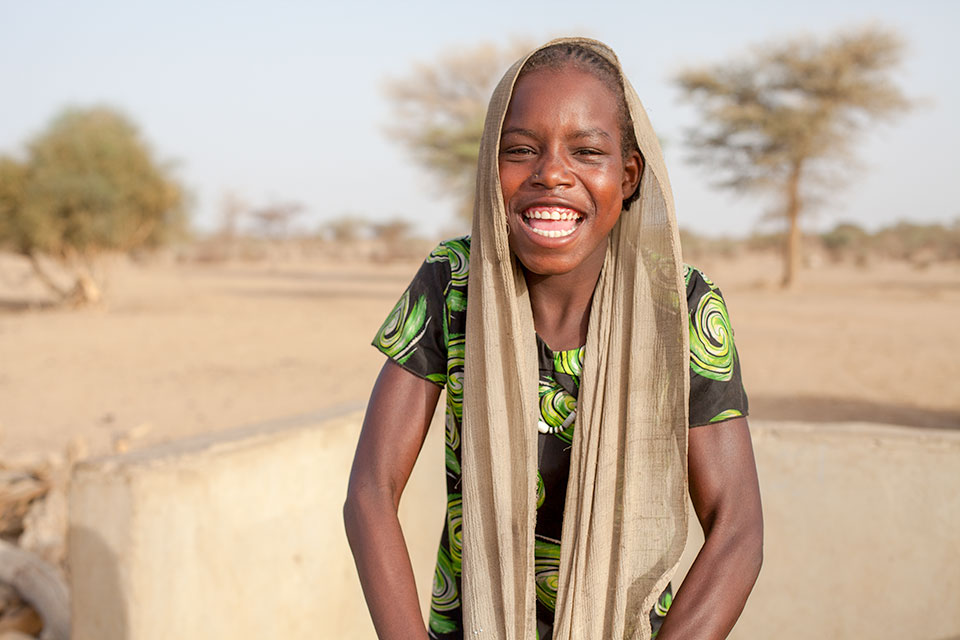
Donations received by the Humanitarian Coalition directly assisted nearly 190,000 individuals, almost half of whom were children. Your donation made a powerful difference and helped vulnerable people like 23-year old Djamila and her two children, in rural Niger.
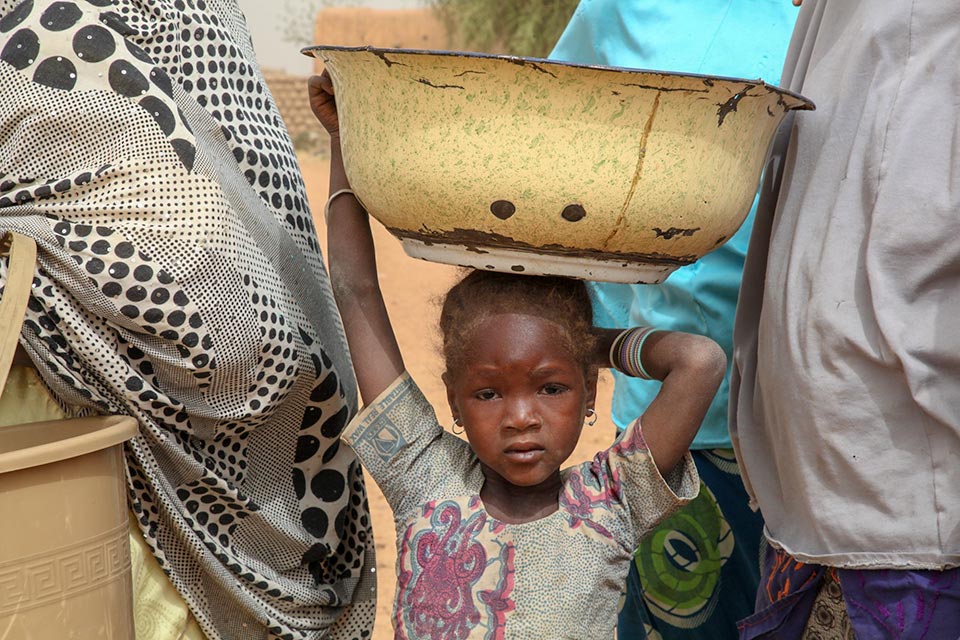
"When I received my hygiene kit, the first thing I did is wash my child in the basin. Before, I did this in my lap. At night, for the first time since I got here, I was able to see my child's eyes thanks to the lamp that is in the kit. With the soap, I was able to wash my body and I shared the soap with others who didn't have one. We are very grateful and thank you very much."


  • Français

Our Member Agencies' Response

CARE Canada
Oxfam Canada & Oxfam Québec
Plan Canada
Save the Children Canada

CARE's Response to the Sahel Drought

CARE has been assisting people in Chad, Mali, and Niger, with early response programs since December 2011. CARE is scaling up its response, aimed at assisting almost one million people to cover their immediate needs and to help them become more resistant to the impacts of future crises. CARE’s emergency response and recovery program is providing access to food, training nurses to identify and treat malnutrition, improving water and sanitation, and promoting hygiene. In parallel to the emergency response, CARE is continuing its long-term development projects (such as women-led saving groups and cereal banks) which make people better equipped to handle future crises on their own.

With funds raised by the Humanitarian Coalition, CARE worked in the Biltine, Kobe, and Wadi Fira regions of Chad to meet the needs of vulnerable people with the large-scale feeding of 72,000 women and children under the age of six. CARE Canada worked hard to repair existing non-functional hand-pumps, distribute 2,500 clean containers for women responsible for water collection, provide hygiene awareness sessions around water points and distribute seeds and tools to 2,000 vulnerable households.

Simultaneously, CARE is also assisting people affected by conflict in Mali:

  • Non-food items for Malian refugees and Nigerien returnees in Niger (household items, hygiene kits), assistance to internally displaced people arriving to Central Mali, support to survivors of gender-based violence in Mali.


Find out more about CARE Canada's response
Logo for Oxfam Canada
Logo for Oxfam Québec

Oxfam's response to the Sahel Drought

Oxfam aimed to reach around 1.2 million people across seven countries in the region with life-saving humanitarian aid and is building on long-term projects to strengthen community resilience to drought and food scarcity.

  • In Burkina Faso, Oxfam worked in over 80 villages with cash for work programs, food for cattle and small animals for pastoralists and help for refugees in the north.
  • In Niger, Oxfam provided cash for work and worked with partners to develop water/sanitation programs, restoring cereal banks and public buildings. 
  • In Chad, Oxfam targeted pastoralist communities with agricultural support such as distribution of seeds, tools and training. 
  • In Mauritania, Oxfam adapted long-term programs to provide humanitarian relief, including a co-op vegetables gardens program for 1,300 women by pumping water from a river.

With Humanitarian Coalition funding, Oxfam Quebec’s response included the provision of direct access to food and potable water in the Brakhna and Gorgol regions of Mauritania through activities such as cash transfers to 500 poor and very poor households, installing a solar panel system, and rebuilding 2 wells. Oxfam Quebec also worked on strengthening the construction of 3 water points through the provision of solar panel kits and a water tower, and providing a sanitation awareness campaign focusing on hand washing, nutrition, and water treatment at home with a special focus on pregnant and lactating women.

Oxfam Québec has also worked in the Dosso region of Niger with particular attention to support women refugees from Mali. Activities in the region included food distribution to over 200 households, provision of protection kits for 2150 women in the refugee camps, distribution of hygiene kits to over 1000 women, as well as training on waste management in the refugee camps and households

Find out more about Oxfam's work in the Sahel

Plan's response to the Sahel region food crisis

Poor children under 5 are particularly vulnerable to the effects of severe acute malnutrition which include death and long-term physical, mental and emotional developmental disabilities. As such, Plan's response focused on reinforcing access to quality education for Malian refugee children in the Mentao refugee camp, Soum Province, Burkina Faso. With funds from the Humanitarian Coalition, Plan Canada’s activities included:

  • the construction and equipping of 9 preschool classrooms;
  • the identification and enrollment as well as the provision of uniforms and a meal for 900 students;
  • providing staff training and incentives for 21 primary teachers;
  • the construction and equipping of kitchens with warehouses for the preschools;
  • awareness raising activities within refugee communities on the importance of preschool education;
  • training on the operation and management of parent-teacher associations.

The security situation in Mali has affected humanitarian response in the area. However, in early May, Plan was able to distribute tons of cereals and some anti-malarial treatments. Plan was also able to distribute school and classroom supplies for displaced children now living in the Kangaba, Kati, Kita, and Baroueli regions. These supplies included school bags, books, pencils, slates, battery powered lamps, batteries, mosquito nets, blankets and t-shirts. Plan has also developed a broader intervention strategy focusing on nutrition, food security, education and assistance for malnourished children in key regions. Implementation on certain responses will be on hold until operating and safety conditions improve. Plan is also supporting Malian refugees in both Niger and Burkina Faso.


Find out more about Plan's work in the Sahel

Save the Children's response to the Sahel Crisis

Save the Children is working in Niger, Mali, Mauritania and Burkina Faso helping the poorest families access food, water, medicine and support for their children. Save the Children have been working to prevent the developing crisis and to save lives since late 2011 when early warning signs indicated increasing food insecurity across the region.

  • Save the Children has been focusing on early response and prevention of acute and chronic malnutrition across Niger, Mali, Mauritania and Burkina Faso.
  • Supported almost 30,000 children and their families providing access to food and other essential goods in Niger.
  • In Niger we have also recently finished a water sanitation and health assessment and plan to target a minimum of 20,000 vulnerable people.
  • Conducted a nutrition screening program and distributed education and new-born kits to families in a refugee camp near Ouagadougou, Burkina Faso.

With Humanitarian Coalition funds, Save the Children Canada (SCC) worked in the Gorgol and Brakna regions of Mauritania and the Gandafabou refugee camp in Burkina Faso to mitigate the impact of the food security crisis on the well-being of 955 children. SCC supported the installation of a regional child protection system in Gorgol by installing a child protection committee in addition to offering psychosocial support to malnourished children. SCC also distributed school materials to locations with the most neglected infrastructure and most vulnerable children, reaching 60,000 in Gorgol. In the Gandafabou refugee camp, SCC provided Temporary Learning Centres, Listening Centres, and child friendly spaces for 3,500 children, as well as providing community awareness sessions on child protection issues.

SCC also worked in the Goudébo refugee camp in Burkina Faso to improve the nutritional status of refugee children by training 10 community facilitators on screening for malnutrition, nutrition awareness and family practices. SCC organized awareness sessions on nutrition, education, hygiene, and health of children in the camp, as well as providing weekly screening of 750 malnourished children under 5 and ensuring that these children have access to care.

Find out more about Save the Children's work in the Sahel region
Printer-friendly versionPrinter-friendly version

Our Emergency Response Fund

The Emergency Response Fund is like a sentinel that is always there, looking out for the most vulnerable. When disasters strike, it enables us to respond quickly and save more lives.

Latest News

  • Expressions of Support for the Humanitarian Coalition
  • Humanitarian Coalition and CIDA Join Forces for the Sahel
  • Sahel Solutions
  • Minister Fantino and HC Member to Visit the Sahel
  • Sahel Needs Olympian Effort from Canadians

Our Appeals

  • Syrian Refugee Crisis 2013
  • Sahel Crisis 2012
  • East Africa Drought 2011
  • Japan Earthquake 2011
  • Pakistan Floods 2010
  • Haiti Earthquake 2010
  • Archives

Partners

Our Rapid Response Network partners support us when
disasters strike.

Find out more+ 

Metro news logo
Bell Media logo
Canadian International Development Agency logo
University of Ottawa logo
20 VIC Management Inc logo

Stay Alert

  • Twitter
  • Facebook
  • LinkedIn
  • E-Mail
  • RSS
  • Flickr
  • YouTube
  • Pinterest
PO Box 7023, Station Vanier, Ottawa, ON, K1L 8E2 Canada
To make a donation: 1-800-464-9154

Charitable Registration Number: 83159 0666 RR0001

Privacy Policy

Humanitarian coalition